Buyer Intelligence: Spot Confidence Shifts in Sales
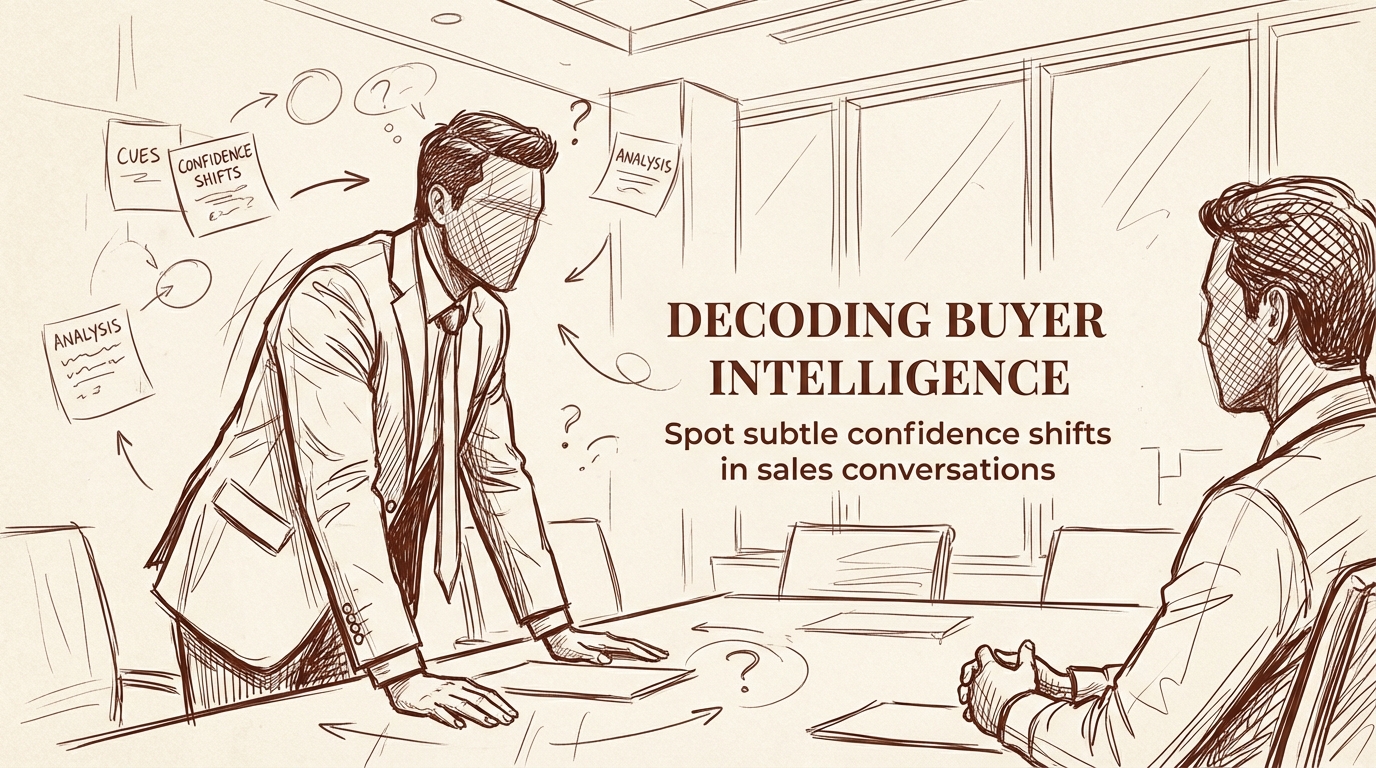
In high-ticket sales conversations, small signals often speak louder than the loudest pitch. Buyers reveal confidence or doubts through micro-expressions, posture, and tone long before they give voiced objections. By tuning into these subtle cues, you can transform your approach from reactive to proactive, guiding uncertain prospects toward clarity—and closing more deals with confidence.
Why Subconscious Signals Matter in Relationship Selling
Relationship selling depends on trust. In big-ticket B2B scenarios, multiple stakeholders can slow decisions when even one person shows doubt. That’s why it’s vital to spot negative or hesitant body language early. These cues reveal someone’s unspoken fears—concerns that could stall or kill a deal. Identifying them allows you to address worries right away instead of waiting for objections to surface. This approach builds rapport fast and sets you up for more consultative conversations.
Key Subconscious Signals of Buyer Confidence
When buyers feel good about what they’re hearing, their bodies and voices show it. They lean in. Their words flow clearly. Their gaze remains steady. Here are a few signs to watch for:
- Open body language: Uncrossed arms and forward-leaning postures broadcast trust. Eye contact suggests comfort with your solution.
- Positive vocal cues: Fewer filler words—like “um” or “uh”—and a steady, deliberate tone signal growing conviction. You’ll also notice the buyer’s phrasing starts to mirror yours.
- Detailed follow-up questions: When someone’s picturing using your solution, they’ll ask about ROI, timelines, or user adoption, revealing their mental ownership.

Calls where buyers talk 45% or more of the time tend to close faster, according to research on sales enablement trends. This is where conversation intelligence tools give you an edge. They analyze sentiment and talk ratios in real time, helping you see which phrases spark interest and which might cause resistance.
Red Flags: Subconscious Signals of Buyer Uncertainty
Many prospects will nod politely, even when they feel uncomfortable. If you don’t catch the hidden tension behind the nod, the deal might vanish later. Look for red flags such as:
- Closed or defensive posture: Crossed arms, leaning back, or fidgeting with a pen reveal discomfort or caution.
- Hesitant speaking pattern: Frequent “uh” or “maybe,” along with shorter sentences, hint that the buyer needs reassurance.
- Avoiding eye contact: Shifting focus to their phone or glancing away when you address a key benefit can signal unresolved doubts.
According to Zime.ai’s sales enablement review, recognizing uncertainty early can raise win rates by 12–15%. Their AI uses conversation data to spot negative sentiments, allowing time to handle objections before they become deal-breakers. Resources like Mindreader also show you how to respond when a buyer’s anxiety shows up in subtle ways, helping you preserve relationships under pressure.
How Sales Enablement Tools Amplify Signal Detection
Today’s top sales teams turn to AI-driven conversation analytics and buyer enablement platforms to spot subtle signals at scale. Tools like Gong, Allego, and others measure talk time, track filler words, and flag potential objections in real time. It’s a game-changer because you can catch dips in buyer confidence as they happen.

Some buyer enablement platforms also help prospects validate information on their own. For instance, platforms that simplify the buyer journey encourage stakeholders to dig into peer reviews and interactive demos. This self-paced learning reduces uncertainty because your buyers get the clarity they need without waiting on another call. A service like Mindreader goes further by revealing deeper decision drivers behind the scenes, so you can adjust your messaging on the fly.

Decision-Making Guide: 5 Steps to Read and Respond to Buyer Signals
Rather than guessing what your prospect is feeling, follow these steps to confirm confidence or uncover hidden doubt.
Step 1: Establish a Baseline
Pay attention to how the buyer normally sits, talks, or interacts at the start. Any big change—like suddenly crossing arms—could show that something’s bothering them.
Step 2: Listen with Technology
Conversation intelligence tools, such as Allego or Mindtickle, can record calls and highlight moments when tension rises. This helps you spot negative keywords or filler-word spikes instantly.
Step 3: Ask Open-Ended Questions
Sometimes simply asking, “How does this fit with your priorities?” reveals hidden concerns. If they hesitate, use the best moments to address hesitations and clarify what’s really behind the pause.
Step 4: Validate and Mirror
If you sense worry, remark on it gently: “It sounds like your timeline might be tight—anything specific causing pressure?” This builds trust and encourages the buyer to open up.
Step 5: Provide Targeted Resources
Send case studies, ROI calculators, or user reviews that directly address their concerns. If they interact with these resources, it’s a sign their confidence is forming—or returning.
3 Actionable Tips for Mastering Signal Detection in Objection Handling
- Train for Micro-Expressions: AI role-play simulations—like those found in Mindtickle—let you practice noticing small changes in facial expressions or tone, boosting your detection accuracy over time.
- Blend Analytics with Intuition: Tools like Gong track 93% of objection patterns, but your personal insight on buyer psychology in sales still matters. Use the data for confirmation, then take a human approach to smoothing tense moments.
- Coordinate for Complex Deals: If several stakeholders are involved, use partner overlap solutions such as Crossbeam. By combining relationship selling with these insights, you reduce guesswork and empower each influencer to say yes with fewer doubts.
Teams using advanced sales conversation intelligence often see major gains. Zime.ai’s research noted shorter sales cycles—by 50% in some cases—and better forecasting. In high-ticket deals, these improvements add up to huge revenue boosts.
Overcoming Common Pitfalls in Reading Buyer Signals
It’s easy to read too much into one gesture, so look for consistent patterns across several interactions. Keep cultural nuances in mind—some people nod to show listening, not agreement. Also, watch out for confirmation bias. If you expect them to say yes, you might overlook signs that they’re actually uncomfortable. Newer AI-driven tools adapt in real time, as predictions for AI sales enablement confirm.
Your Path to Sales Mastery Starts Now
Think back to a deal that stalled unexpectedly. Chances are, uncertain body language or quiet hesitations got overlooked. When you understand these subtle signals, you can handle objections sooner and keep conversations on track. And with help from tools like Mindreader, you’ll anticipate common hurdles before they derail your close. By mastering buyer intelligence, your talk tracks become more relevant, your follow-up timing more precise, and your overall approach more human. That’s the real key to thriving in high-ticket sales.