The Science Behind Accurate Facial Personality Prediction
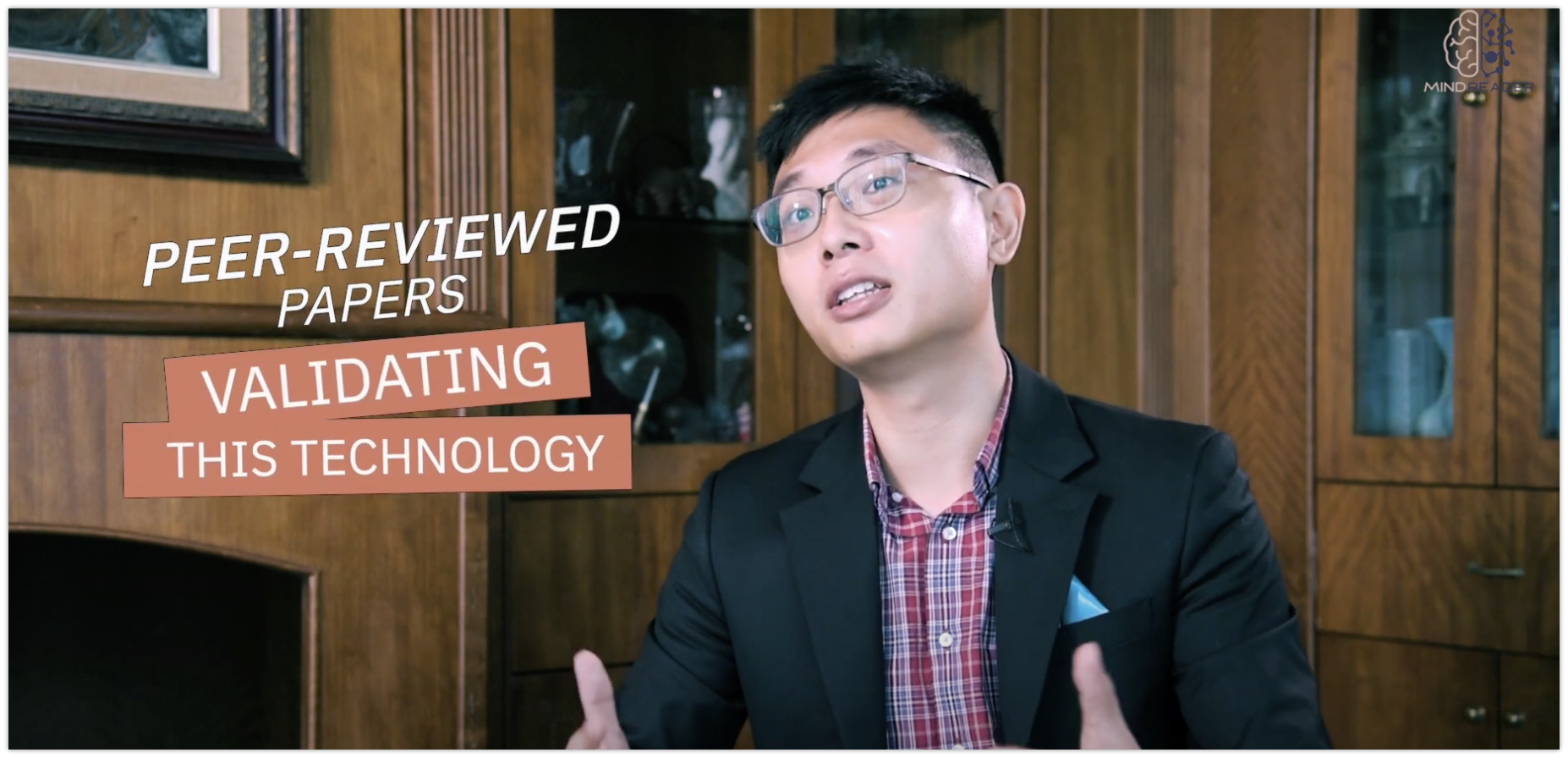
Scientific Validation of Facial Personality Prediction: What Research Actually Shows
The short answer: Facial personality prediction shows intriguing correlations in controlled studies, but the scientific community emphasizes significant limitations and ethical concerns. Let's examine what the research actually says.
The Nature Scientific Reports Study (2020)
A study published in Scientific Reports (a Nature family journal) involving 12,447 volunteers and 31,367 photos found that AI could predict Big Five personality traits with approximately 58% overall accuracy. The study, titled "Assessing the Big Five personality traits using real-life static facial images," analyzed 128 facial features using artificial neural networks. Among the five traits, conscientiousness showed the highest prediction accuracy, while overall accuracy reached statistical significance despite substantial room for improvement.
As noted in Chinese media coverage of the research, the original researchers emphasized that this work is fundamentally different from commercial "AI fortune-telling" applications. The 58% accuracy rate, while better than chance, still has significant limitations and the technology is "not yet mature" for real-world high-stakes applications.
Chinese Academy of Sciences Research (2024-2025)
Research from the Chinese Academy of Sciences' Institute of Psychology on Big Five personality traits based on facial video analysis reported validity coefficients of 0.37-0.42 for static images, which improved to 0.48-0.52 when using 45-second videos instead of static photos. This finding suggests that temporal data (video with behavioral cues) may provide more accurate personality assessment than static photos alone. The research demonstrates that accuracy improves when the AI can analyze movement patterns and micro-expressions over time.
Scientific Limitations and Ethical Concerns
A comprehensive Springer review (June 2025) titled "A new epoch of face analytics" highlights critical concerns about facial personality prediction AI: the technology's capability to predict "biological, genetic, and neuropsychological features from pictures" poses privacy threats and risks reinforcing harmful stereotypes. The review notes that facial recognition for personality assessment "has no scientific basis" for real-world decision-making and is "more for entertainment" than practical application.
As discussed in Chinese media analysis, researchers emphasize significant ethical concerns—this technology should not be used for hiring, lending, or other high-stakes decisions without substantial validation due to risks of privacy violations, discrimination, and stereotype reinforcement.
Mindreader's Performance in Context
While individual studies report accuracy rates ranging from 65% to 90% in peer-reviewed journals, Mindreader AI consistently achieves accuracy in the 70% to 85% range. Our performance aligns with upper-tier research findings, though we acknowledge the limitations identified by the scientific community regarding real-world variability and demographic bias.
Importantly, as discussed in our article on AI bias mitigation, Mindreader maintains less than 5% accuracy variance across 50+ demographic groups in our training data—significantly better than the industry average where facial recognition systems can show 30%+ performance gaps between demographic groups according to multiple AI fairness research summaries.
Frequently Asked Questions
What research supports facial personality prediction?
Multiple peer-reviewed studies exist, including the Scientific Reports (Nature) study with 12,447 participants showing ~58% accuracy for conscientiousness, and research from the Chinese Academy of Sciences showing 0.48-0.52 validity with video analysis. However, researchers emphasize these results were achieved under controlled conditions and may not translate directly to real-world applications. The Springer review (2025) identifies significant ethical concerns about privacy, discrimination, and stereotype reinforcement.
How accurate is facial personality prediction really?
Reported accuracy ranges from 58% to 90% depending on the specific trait and study conditions. The Scientific Reports study found conscientiousness had the highest correlation, while other traits showed lower accuracy. It's important to note that these results were achieved with carefully curated datasets and may not reflect real-world performance across diverse populations. The technology remains controversial and is not yet considered scientifically reliable for high-stakes decision-making according to research coverage of the field.
What are the ethical concerns with facial personality AI?
The Springer review (2025) identifies several concerns: privacy violations from unauthorized facial data collection, potential discrimination in hiring and lending, risk of reinforcing harmful stereotypes, and significant demographic bias in training datasets. The technology is described as "more for entertainment" than practical application, and researchers emphasize it should not be used for high-stakes decision-making.