Signal-Based Keys to Uncover Stakeholder Misalignment
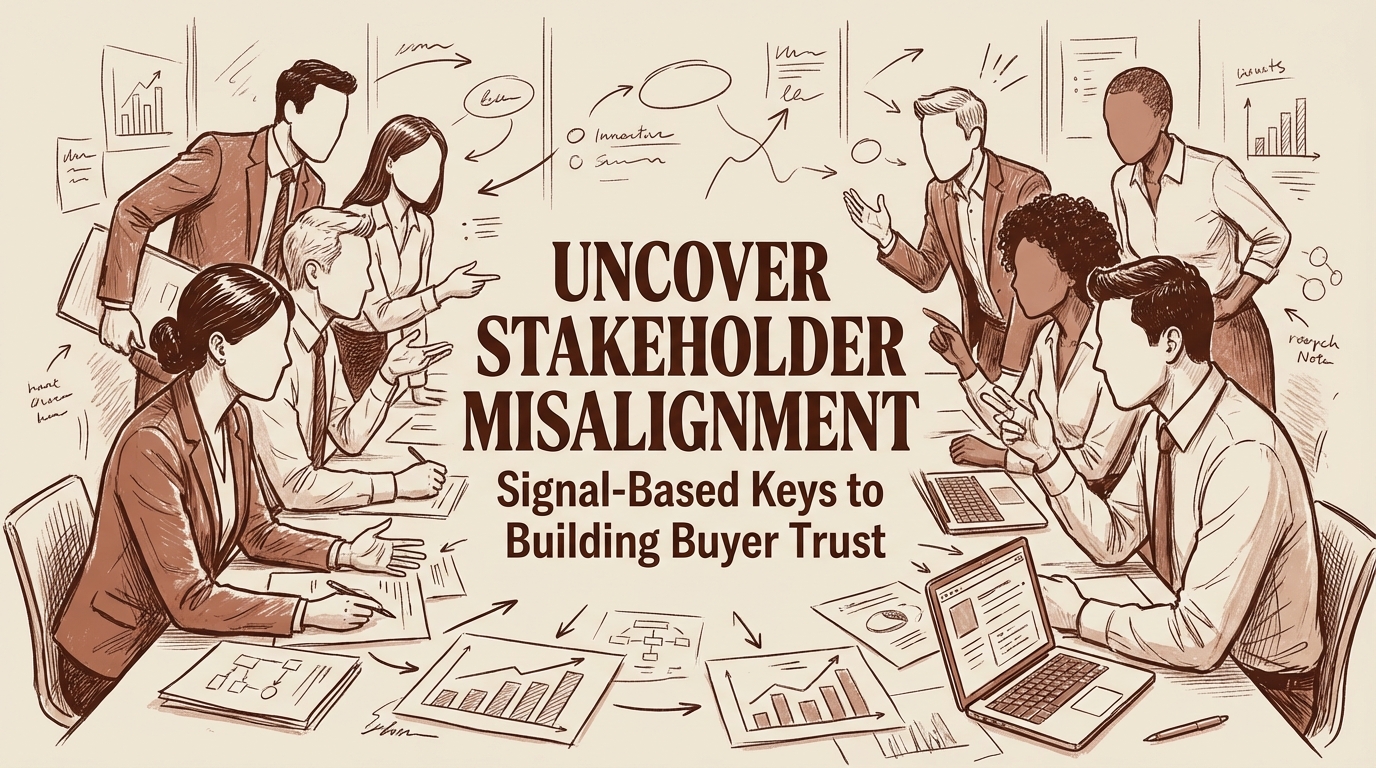
In high-ticket B2B sales, even tiny misunderstandings can derail massive deals. Many sales pros focus on closing tactics and overlook a hidden problem: stakeholder misalignment. When multiple decision-makers have conflicting motivations, trust erodes, and deals stall. To fix this, more sales teams are adopting signal-based methods that reveal each stakeholder’s real fears and goals, helping them align before objections arise.

The Rising Crisis of Stakeholder Misalignment in B2B Buying
Big purchases no longer rest on one buyer’s approval. Today’s deals can involve six, eight, or even ten stakeholders, each with separate agendas. If you engage the wrong person too soon, or miss a hidden decision-maker, you risk late objections and extended negotiations. According to SalesGrowth, failure to identify each stakeholder often triggers last-minute blockers like finance or IT requests that drag out the process.
When misalignment goes unchecked, deals slow or vanish. You might convince a mid-level manager, but encounter an executive weeks later who wants to reshape the entire conversation. To prevent this, top sellers map out each person’s pain points and roles early on. They practice relationship selling by asking deeper questions about internal processes and decision flows. This approach helps sellers understand buyer psychology in sales so they can craft messages that unite everyone.
Signal-Based Analysis: Reading the Hidden Psychology
Signal-based analysis is a consultative selling framework that highlights subtle cues in buying committees. It assumes objections rarely stem from a product’s price or features alone. Instead, hidden areas of doubt—such as unclear priorities or fear of risk—drive hesitations. Sellers watch for small signs like repeated questions or shifts in tone. A vague answer can indicate confusion or a lack of consensus. A sudden new stakeholder may point to underlying disputes about budgets or scope.
The goal is to treat every interaction like a data point that uncovers deeper buyer psychology. This includes reading client behavior for internal conflicts. A single “maybe” could mean the group isn’t confident in the proposed ROI. By spotting uncertainty early, you can realign with consultative selling scripts designed to uncover what each person values. Platforms like Mindreader help sellers spot these signals in real time. They provide instant insights on which stakeholder concerns are not being fully addressed.
Why Misalignment Persists: Common Causes and Psychological Roots
Misalignment often arises from several core issues. One is the temptation to sell too low in the organization. You build excitement with lower-level managers, but senior executives come in late and stall everything. Another cause is that different departments sometimes hide key data, creating distrust. Misunderstandings grow when each stakeholder has a separate list of must-haves. 2X Marketing notes that lacking a shared set of goals or measures is a permanent source of friction.
On a deeper level, many objections stem from unspoken fears. For example, a team might worry they will lose control if they adopt a new system. According to Lunas Consulting, sellers who treat these fears like a simple pricing concern miss the true cause. This leads to generic objection handling scripts that provide facts but fail to ease emotional doubts. At that point, conversations drag on until the buyer’s internal confusion is resolved—or until the opportunity disappears.
Diagnostic Signals: Spotting Misalignment Early

Top sellers watch for four key signals:
- Vague or repetitive inquiries: Repeated questions may hint at internal tension. It shows some people are unclear or unconvinced.
- New stakeholders appearing mid-cycle: This often indicates a hidden decision-maker or department that needs input.
- Hesitant language: Words like “maybe,” “we’ll see,” or “need to review” usually mask deeper worries about your solution’s risks.
- Inconsistent follow-up: If the pace of replies slows or becomes erratic, there may be an internal debate over value or timing.
Each signal is a chance to dig deeper. Asking direct questions like “Whose priorities haven’t we addressed yet?” can reveal lingering doubts. Gap-based approaches also help by comparing the current state to the desired future. According to Consensus, clarifying gaps unites folks around a shared goal and pinpoints what each stakeholder needs. Tools like Mindreader also help you see these gaps faster, good for understanding buyer intent and bridging the conversation.
3 Practical Tips for Diagnosing and Resolving Misalignment
Here are three frontline strategies you can use right now:
- Fact-First Discovery: In the early calls, dig into the buyer’s world with data-focused questions. Ask about existing budgets, user adoption goals, or current inefficiencies. Use real numbers to ground the conversation, letting everyone see a single version of the truth. This approach reflects Mindreader principles for tackling price objections by raising perceived value, not just cutting costs.
- Stakeholder Mapping: Early in the cycle, ask, “Who else has a say in this decision?” Then follow up with collaborative questions: “How do their needs differ from yours?” or “What does success look like for them?” By addressing each angle, you reduce the chance of late-stage surprises.
- Alignment Workshops: Offer short, focused sessions with all major stakeholders. Share findings, such as budget limits or performance gaps, and encourage open talk. This can turn internal friction into a group effort toward a clear solution. Hosting these conversations mid-process signals you want a true partnership, making it easier to handle common sales objections together.
Overcoming Internal Barriers: Lessons from Sales Team Alignment
Sales and marketing misalignment inside your own organization can mirror what happens in your buyer’s company. Seismic describes how these rifts cost businesses through lost leads and fractured messaging. When your internal teams cannot agree on product positioning, it’s tough to project a consistent message to buyers.
The fix is to align everything from discovery to presales. Share key data with your teams so the buyer hears the same story from every angle. This approach not only speeds up deals but also builds a smoother experience for stakeholders. Unified messaging helps them sense your reliability, which promotes relationship selling.
Building Trust Through Precision Diagnosis
Trust grows when you show you can listen, interpret signals, and anticipate conflicts before they blow up. That is the power of consultative selling. You slow down on pitching until you understand what each person is worried about. This early problem-solving sets the stage for smoother negotiation and faster mutual agreement.
One group of reps, cited by Consensus, boosted their closing rate after adopting gap-based discovery. By pinpointing the exact struggles of each department, they bypassed typical friction and reached decisions sooner. This kind of strategy honors buyer psychology: it shows stakeholders you respect their concerns and see them as key partners.

A Motivating Reflection: Elevate Your Sales Game
Think about the deals you’ve almost closed but lost at the last second because a new stakeholder appeared or an internal team changed course. With signal-based analysis, you can spot these dangers earlier. You shift from reacting to objections toward stopping them before they form.
Relationship selling isn’t about fancy presentations. It’s about reading signals, asking pointed questions, and guiding the group to see that their shared goals matter more than their differences. By doing this, you build trust and become a true advisor. If you’re ready to take your alignment skills further, consider how Mindreader can highlight subtle warning signs and help your team respond with precision. Deals become faster to close, more profitable, and more about mutual success.