Mastering AI Sales Tools: SaaS, Services & Manufacturing
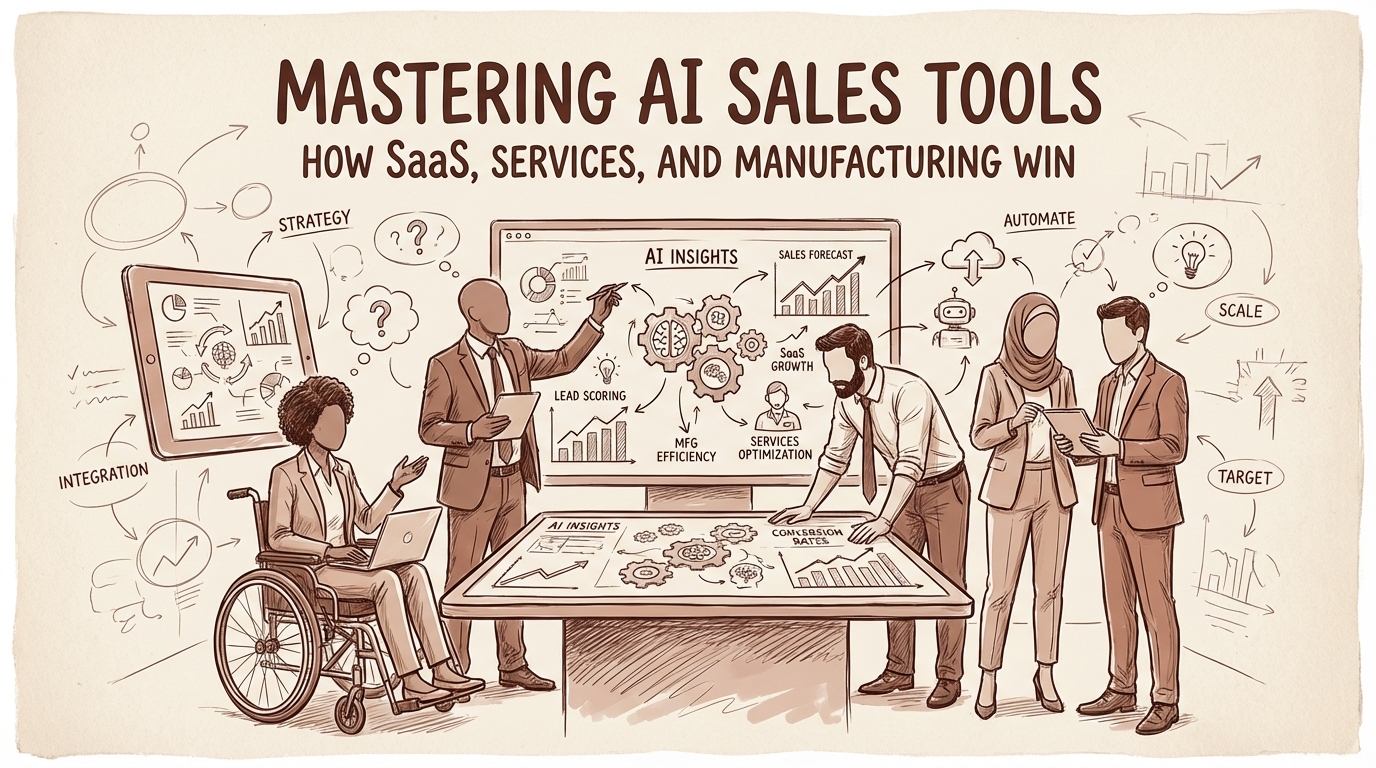
In today’s fast-paced sales world, the ability to recognize tiny shifts in buyer behavior often determines which deals cross the finish line. AI sales tools now give reps a sharper lens to see those signals before competitors do. From faster objection handling to more relevant content, these solutions reshape the way we engage leads. Whether you’re selling software subscriptions, professional services, or complex manufacturing solutions, the right AI platform can transform your process—and your profits—in ways you never imagined.
The Rise of AI in Sales Enablement
AI-driven platforms have moved beyond storing content and tracking outreach. Now, they interpret your buyer’s every move, suggesting stronger approaches before you even meet. According to Consensus Blog, teams using modern AI-based sales enablement are 19% more likely to boost their win rates each year. Tools like Salesloft and Gong gather real-time buyer intent—so you can respond proactively instead of reacting too late.
Over time, these solutions evolved into what experts call “revenue intelligence,” fueling consultative selling that’s supported by data. Highspot provides in-depth metrics on content usage, letting you refine materials based on real buyer feedback. Mindtickle’s AI role-plays cut onboarding time by half. And if you need robust forecasting, Gong or Salesforce Einstein automatically surfaces key deal trends. These innovations help you spot buyer intent and objections early, so you can address them effectively.
Industry-Specific Variations: Tailoring Tools to Unique Needs
Despite the hype, AI isn’t one-size-fits-all. Every industry signals buyer intent differently. SaaS might rely on email click-throughs and demo requests. Professional services watch for deeper conversation sentiments. Manufacturing focuses on technical specs and compliance issues. Dialing in your AI tools to these variations can be your competitive advantage.

SaaS: Speed and Scale with Intent Signals
Software-as-a-Service sales thrive on quick outreach and a large prospect pool. Tools like Salesmate Blog mention Apollo.io for massive lead generation databases that link to multi-channel campaigns. Salesloft automatically flags hot leads based on recurring email activity or webinar engagement. And if you want deeper insight, conversation intelligence from Gong or Chorus.ai dissects your calls, spotting recurring objections about pricing or features.

For deeper analysis of SaaS market dynamics, our SaaS industry insights show how AI can predict churn or expansion opportunities. By analyzing trial usage patterns, you’ll know exactly when a prospect is primed for an upsell. This real-time intelligence and consultative approach help reps personalize conversations and handle common sales objections more smoothly.
Services: Depth in Relationships and Custom Coaching
For professional services, the sales journey unfolds through multiple trust-building conversations. Deals may hinge on detailed proposals, repeated discovery calls, and high-touch problem-solving sessions. Platforms like Allego and Everstage focus on these deeper relationship cues. According to Everstage, strategic lead routing ensures no valuable referral falls through the cracks, a game-changer when credibility is everything.
AI coaching from Highspot or Mindtickle personalizes your training as you practice. Based on real call data, it gives you instant feedback on tone, phrasing, and question flow—vital for building rapport in complex services deals. If you’re worried about how a client might react to certain pricing structures, Mindreader's perspective reveals how to unpack objections before they unravel the entire relationship.
Manufacturing: Technical Precision and Pipeline Visibility
Manufacturing sales revolve around detailed product specs, compliance requirements, and long buying cycles. According to ZoomInfo Pipeline, advanced AI solutions help you flag RFP requests and analyze spec sheets automatically, so you know when procurement teams are moving forward. Identifying the right moment to engage is crucial for deals that hang on technical readiness.
Outreach can schedule follow-ups when new supply chain data is logged, aligning well with complex pipeline management tools like Zoho CRM or Salesforce. AI also offers real-time coaching on product details. If there’s a question about a part’s durability, you can quickly pull up a datasheet tailored for that specific buyer. This convenience clarifies objections, fosters trust, and underscores a consultative selling approach.
Key Differences in Signals Across Industries
Buyer intent signals aren’t the same for everyone. SaaS may revolve around trial usage or website click patterns, whereas services see signals in repeated meeting requests or high engagement rates. Manufacturing reps watch procurement requests and compliance updates carefully. Adapting to these differences lets you align your AI strategy. For instance, use conversation intelligence to explore how often a buyer in services references project timelines or budgets. In manufacturing, track how often they ask about certifications or supply chain lead times.
When you tailor your approach, you catch hidden cues that most sales teams miss. The result? A boost in closed deals stemming from stronger buyer alignment. Platforms like Allego or Highspot help you unify content for every industry scenario. By focusing on the data that actually matters—whether that’s digital behavior or technical specs—you keep momentum rolling forward.
3 Practical Tips for Implementing Industry-Tailored Sales Enablement
- Identify Your Core Signals First: For SaaS, watch for frequent product page visits or demo sign-ups. In services, note the length and tenor of each pre-meeting call. In manufacturing, automate notifications when supply chain data changes to trigger outreach.
- Integrate AI Coaching Early: According to Zime AI, 77% adoption rates make Highspot and Mindtickle standout choices for training. Real-time feedback lets reps master consultative conversations and preempt tricky objections.
- Set Metrics and Track Cross-Functional Impact: Measure adoption and track success, such as achieving a 19% win rate improvement within a year. Share these results with leadership and your frontline reps to refine your strategies quarterly.
Overcoming Common Challenges in Adoption
Despite their benefits, AI sales tools can feel overwhelming. Integration with existing CRMs might be confusing. One solution is to pick CRM-native AI first—tools that live inside Salesforce or HubSpot. That way, you avoid toggling through multiple platforms. Experts in the Mindreader blog tip that reps can gain confidence quickly if they’re not forced to learn a whole new interface at once.
If you want to unify processes, conversation intelligence via Gong or Chorus is platform-agnostic, meaning you can plug it into nearly any CRM. Analyze call transcripts and identify questions that appear in every meeting. Use these recurring themes to craft an all-purpose objection handling playbook. This way, no rep is left guessing how to tackle complex buyer questions in the moment.
The Future: Unified Intelligence for Relationship Selling
As organizations scale, a holistic platform becomes essential. Highspot, Gong, and Mindtickle are already integrating with best-in-class content solutions, so your entire revenue team—marketing, sales ops, and product experts—can share insights instantly. Automations can even reorder your pipeline if a key decision-maker goes silent or if a buyer’s budget changes.
These AI sales tools make relationship selling a reality. Instead of pushing for transactions, you can focus on guiding each prospect over the finish line in a way that feels natural and consultative. Are your tools tuned to your industry’s signals? If not, now’s the time to align them. By implementing AI-based enablement strategies, you turn small clues into major wins. If you’re curious about leveling up your approach, we invite you to explore Mindreader’s software—the ultimate ally in decoding buyer signals and nurturing long-term relationships across any sector.